
History & Traditions.
Grafton is known and promoted as the Jacaranda City, in reference to its tree-lined streets and to the annual Jacaranda Festival. Inaugurated in 1935, Jacaranda is held each October/November. A half-day public holiday is observed locally on the first Thursday of November, the Festival's major focal day. During the 1963 festival, inventor John W. Dickenson demonstrated on the Clarence River the first hang glider that was controlled by weight shifts of the pilot from a swinging control frame – the birth of modern hang gliding.
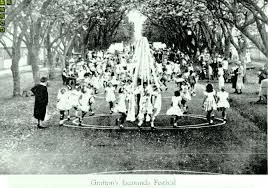
The Maypole dance was incorporated into early festivals as a way for schoolchildren to participate in the "carnival" atmosphere. While the Maypole traditionally marked the midpoint between the spring equinox and summer solstice, in Grafton it serves as a celebration of local rebirth and community spirit.
The Grafton Jacaranda Festival Royal Tree Planting traditionally takes place during the festival to honor the city's botanical legacy, ensuring the ongoing growth of Grafton's iconic purple canopy for future generations.
The tree planting tradition has been a key part of the festival and local civic planning for decades. Reasons for this tradition include:
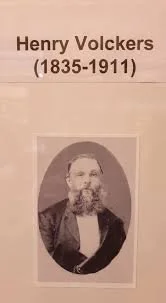
Honoring the Founders: It pays tribute to early civic leaders and nurserymen like Henry Volkers, who was contracted in the late 19th century to plant Grafton's streets and transform the town into a planned cultural landscape.
Jacaranda Queen: A major highlight of the festival, the first Jacaranda Queen was crowned in 1943. Unlike today's competitions—which focus on professional leadership and local knowledge—the early days crowned the "most popular and pretty girl in town"
1935: The inaugural Grafton Jacaranda Festival is launched to boost civic morale coming out of the Great Depression.
1943: The first Jacaranda Queen is crowned, solidifying a tradition that continues to be a highlight of the festival.
1949: The festival gains national recognition, captured in a colorfully saturated promotional film produced by the Department of Information.
1990s–2000s: The festival undergoes modernization. In 2004, the committee hosts a special reunion for former Jacaranda Queens and Princesses to celebrate the 70th milestone.
The Pride of Erin: This traditional sequence dance is a staple of the Jacaranda Ball. Candidates practice and perform this historic, lively Irish-derived sequence waltz for proud parents and community members.
The Royal Party Homage: The festival committee maintains strict traditional ceremonies at the Ball, including the homage to the crown and the presentation of the Jacaranda candidates
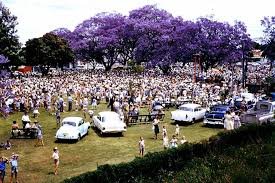
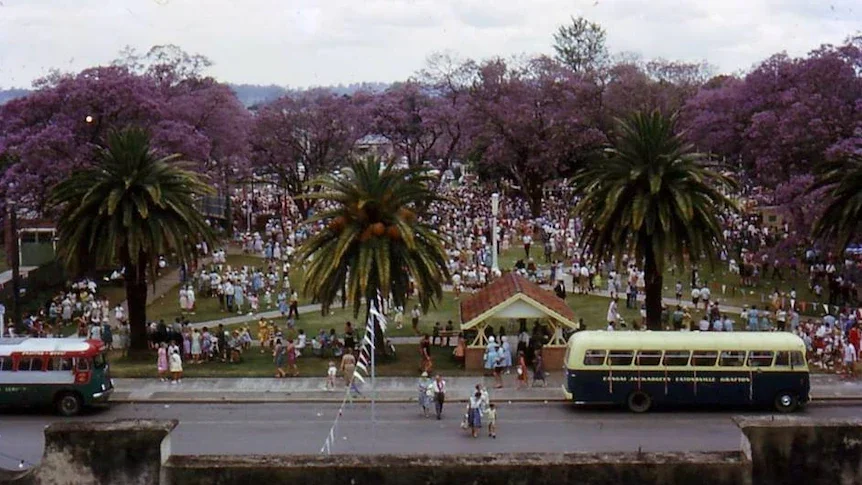
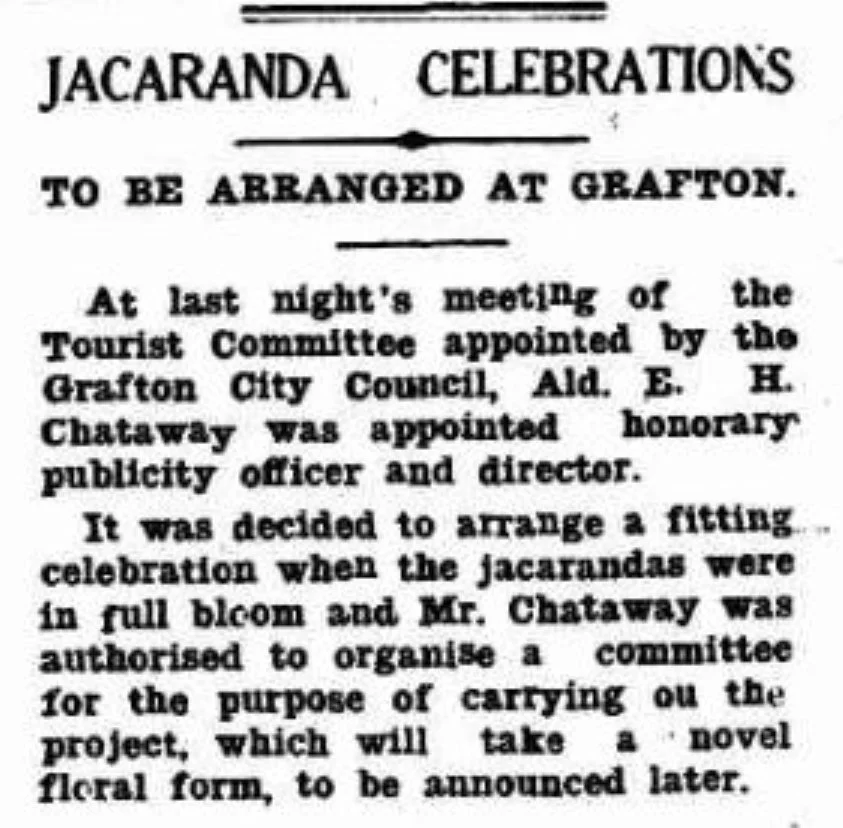
The first meeting with an idea to run a festival was on Wednesday night 28th August 1935. An initiative of the Grafton City Council Tourism Board. A committee of “civic minded gentlemen” was formed.
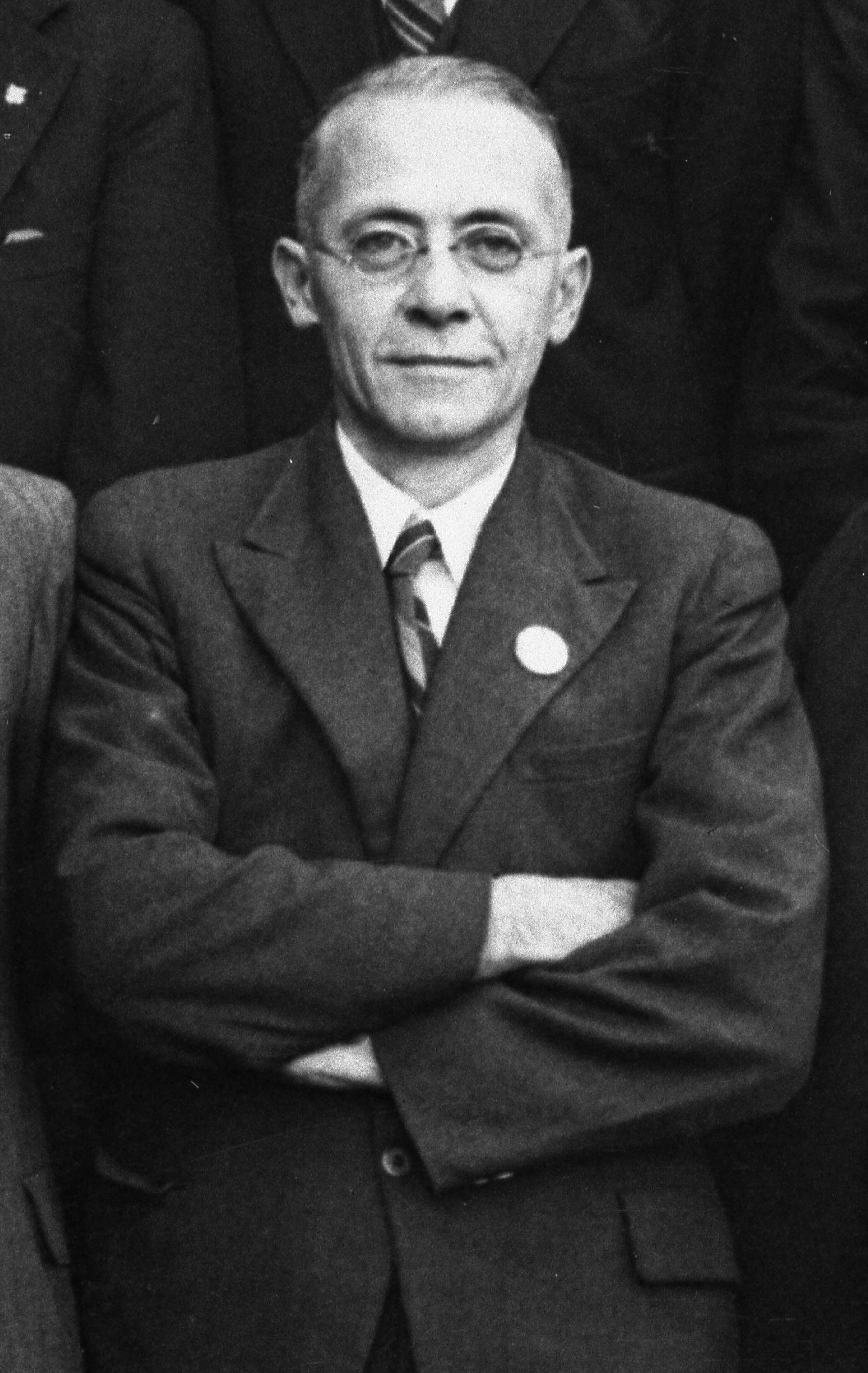
“Jacaranda Bill” aka Edward Chataway. The driving force behind the early festivals. Grafton has a lot to thank this bloke. We may not have a portrait in every class room but there is a laneway named after him opposite the Council Chambers in Prince Street
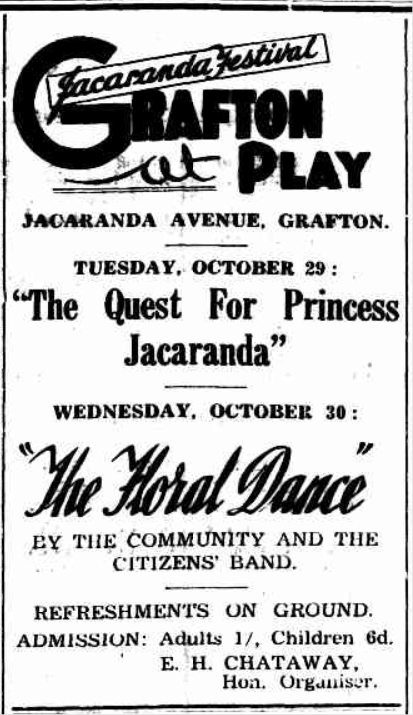
Advertisement for the first festival. Mr Chataway was inspired by the song “The Floral Dance”. He had visions of locals spontaneously breaking into dance up and down Jacaranda Avenue. At first locals were a little shy to show off their dance steps. Within a couple of years though, you couldn’t stop Graftonites from dancing.
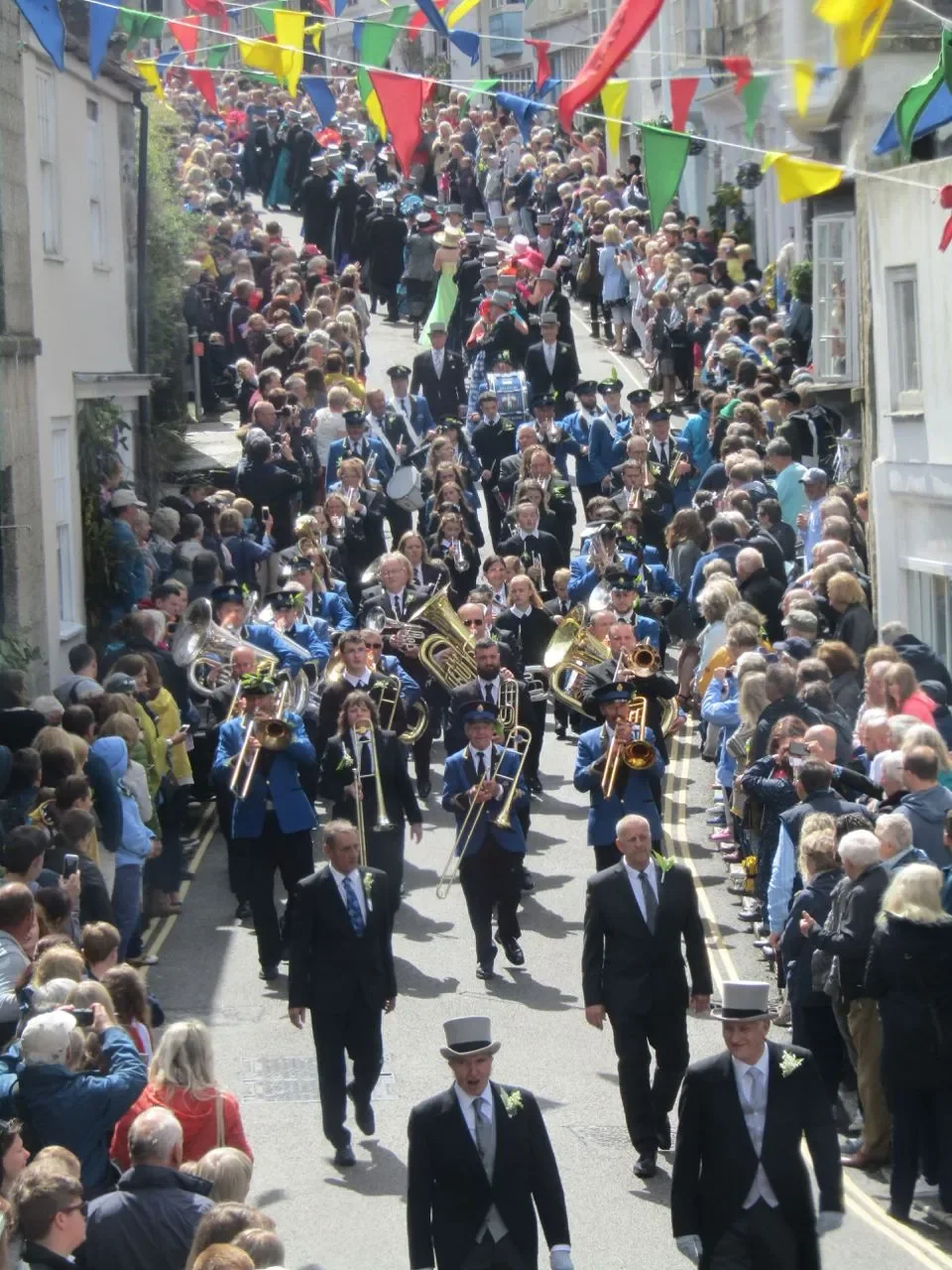
The early Jacaranda Festivals were loosely inspired by the springtime event held in Helston, Cornwall UK. Three dances are held in the streets of the village throughout the day. The entire community dances as it progresses through the narrow lanes of Helston.
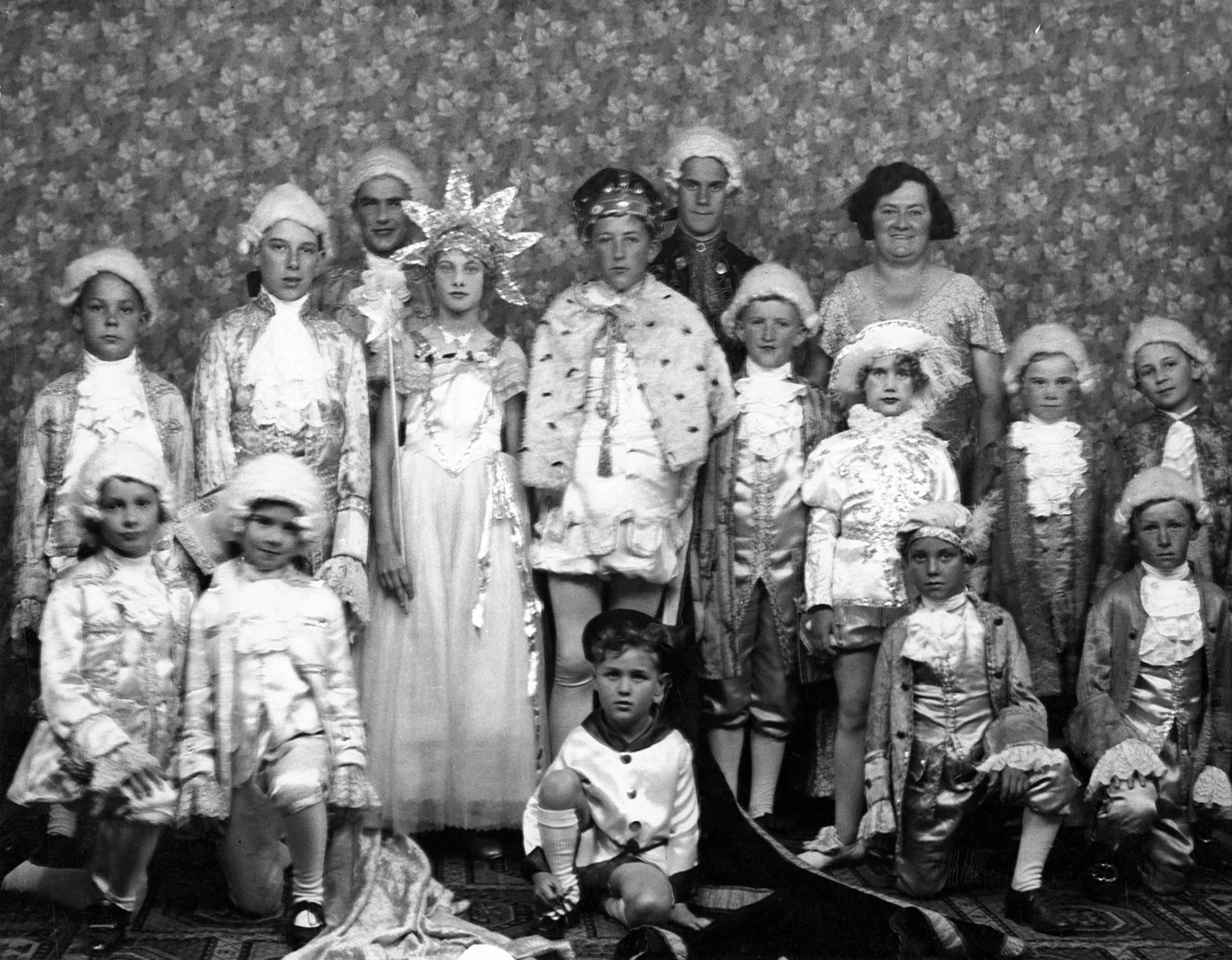
Queens, Kings and Royal Parties have always played a part of the Festival. 1935 Royal Party…a floral pageant was held to choose the fairest flower in the land…the Princess Jacaranda
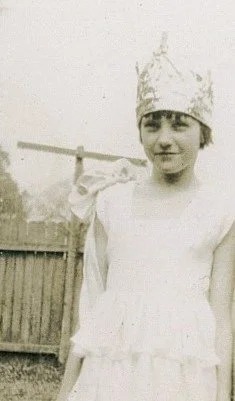
Myrle Gentle’s name was drawn from a gold casket containing the names of over 60 candidates. This tradition continues with the naming of the Party Princess, Party Prince, Flower Girl and Page Boy at the Children’ Party during the first weekend of the Festival
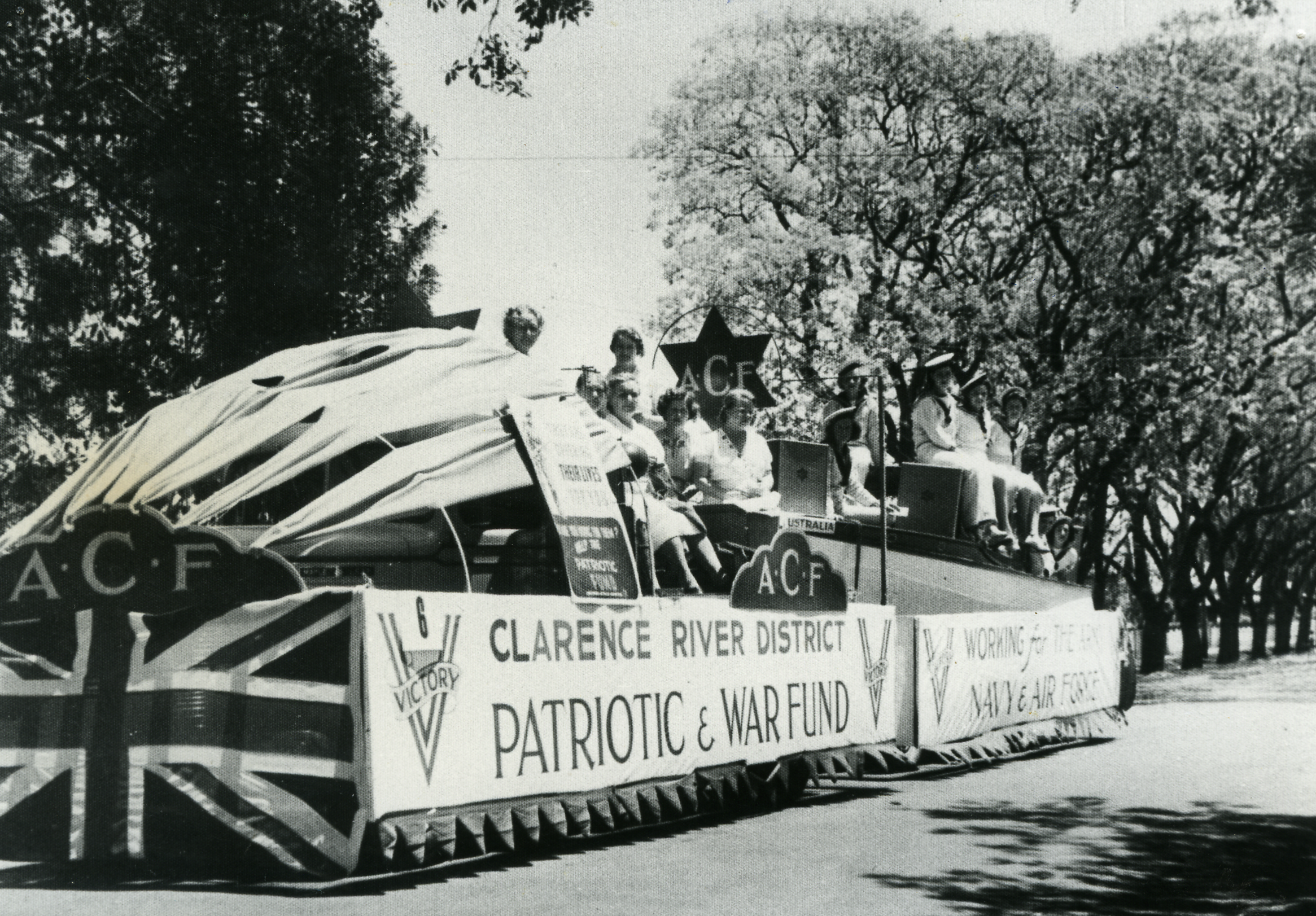
Float processions is the only original event still running. From the first festival with six floats to today’s monster effort, Grafton loves a good procession. Rain, hail, storm and tempest the procession always goes on. Only cancelled 3 times: 1942 & 1943 (wartime fuel rationing) and COVID
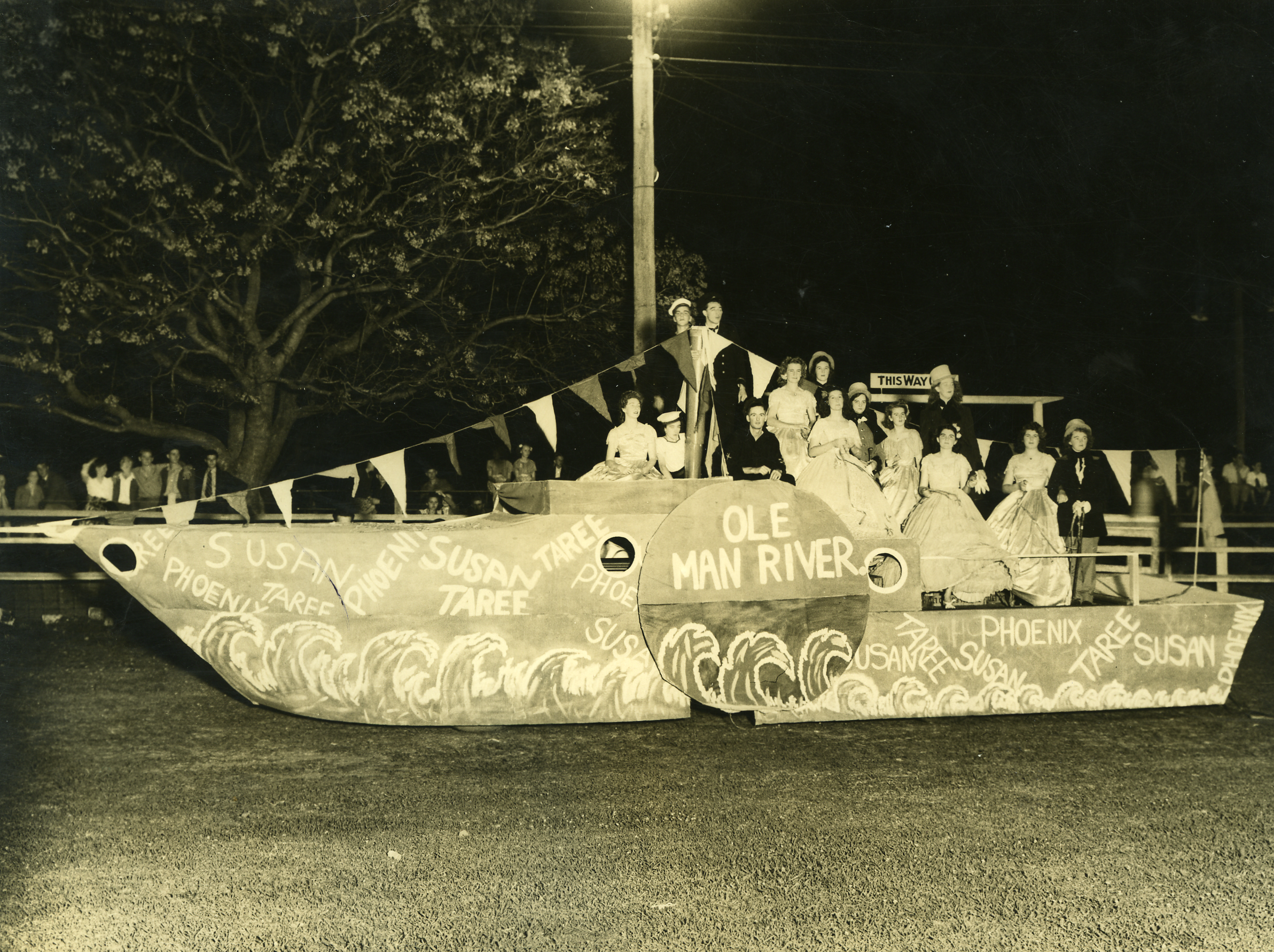
Float processions is the only original event still running. From the first festival with six floats to today’s monster effort, Grafton loves a good procession. Rain, hail, storm and tempest the procession always goes on. Only cancelled 3 times: 1942 & 1943 (wartime fuel rationing) and 2020 (covid).
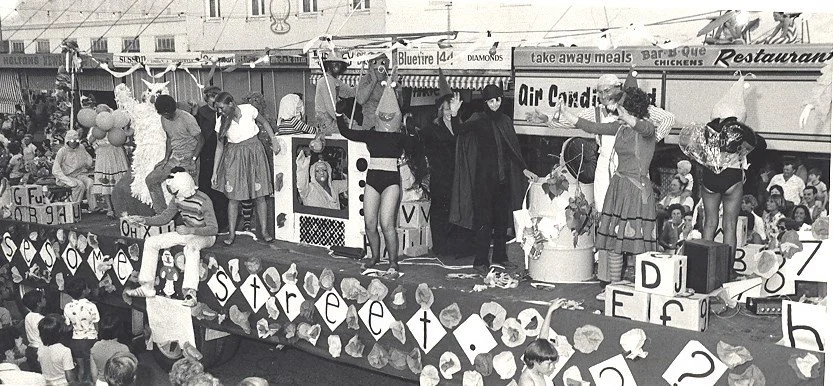
Float processions is the only original event still running. From the first festival with six floats to today’s monster effort, Grafton loves a good procession. Rain, hail, storm and tempest the procession always goes on. Only cancelled 3 times: 1942 & 1943 (wartime fuel rationing) and 2020 (covid).
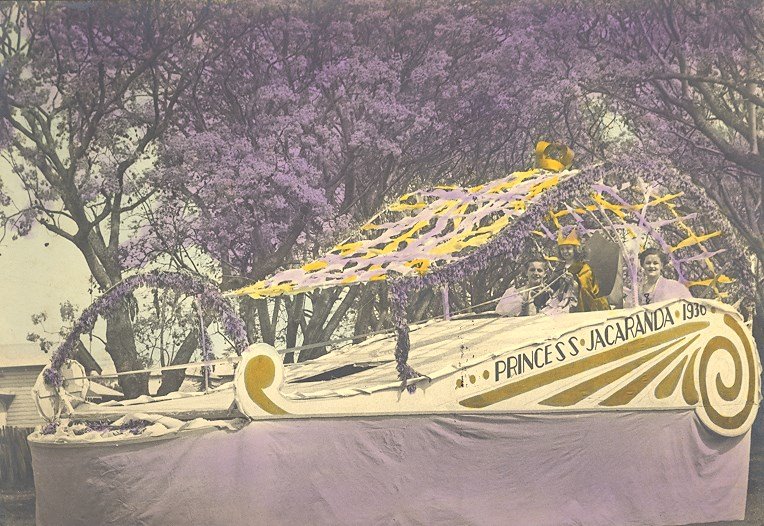
Float processions is the only original event still running. From the first festival with six floats to today’s monster effort, Grafton loves a good procession. Rain, hail, storm and tempest the procession always goes on. Only cancelled 3 times: 1942 & 1943 (wartime fuel rationing) and 2020 (covid).
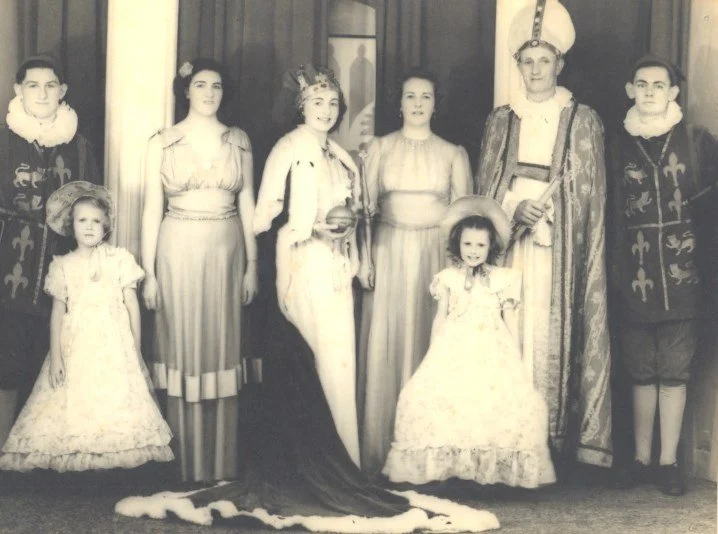
The first Jacaranda Queen Marie Fraser was crowned in 1943.
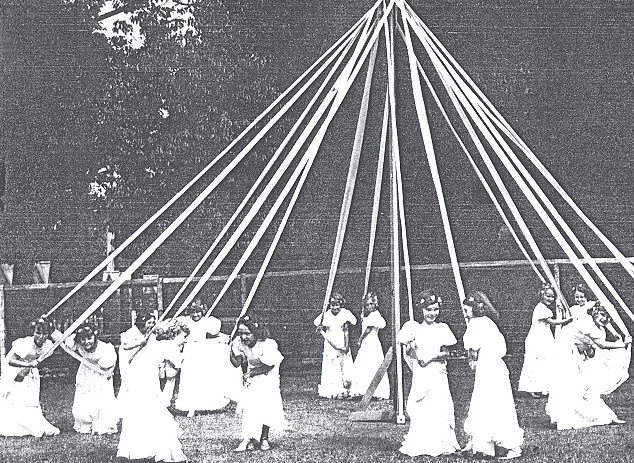
Many festivals included traditional European dances such as the maypole
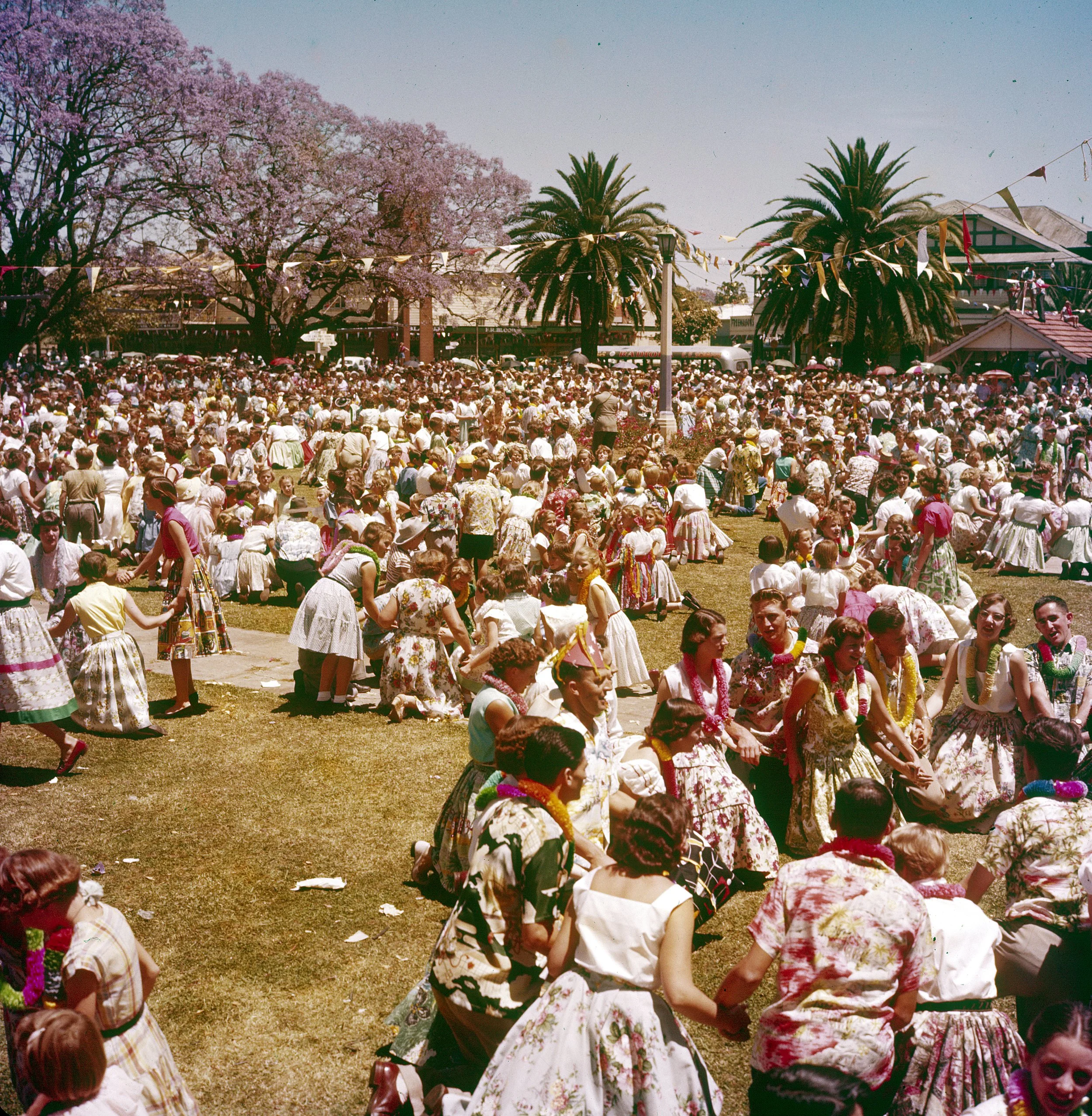
Within a few years the entire town got into the “Jacaranda Spirit”. Folk dancing became a community thing to do en masse
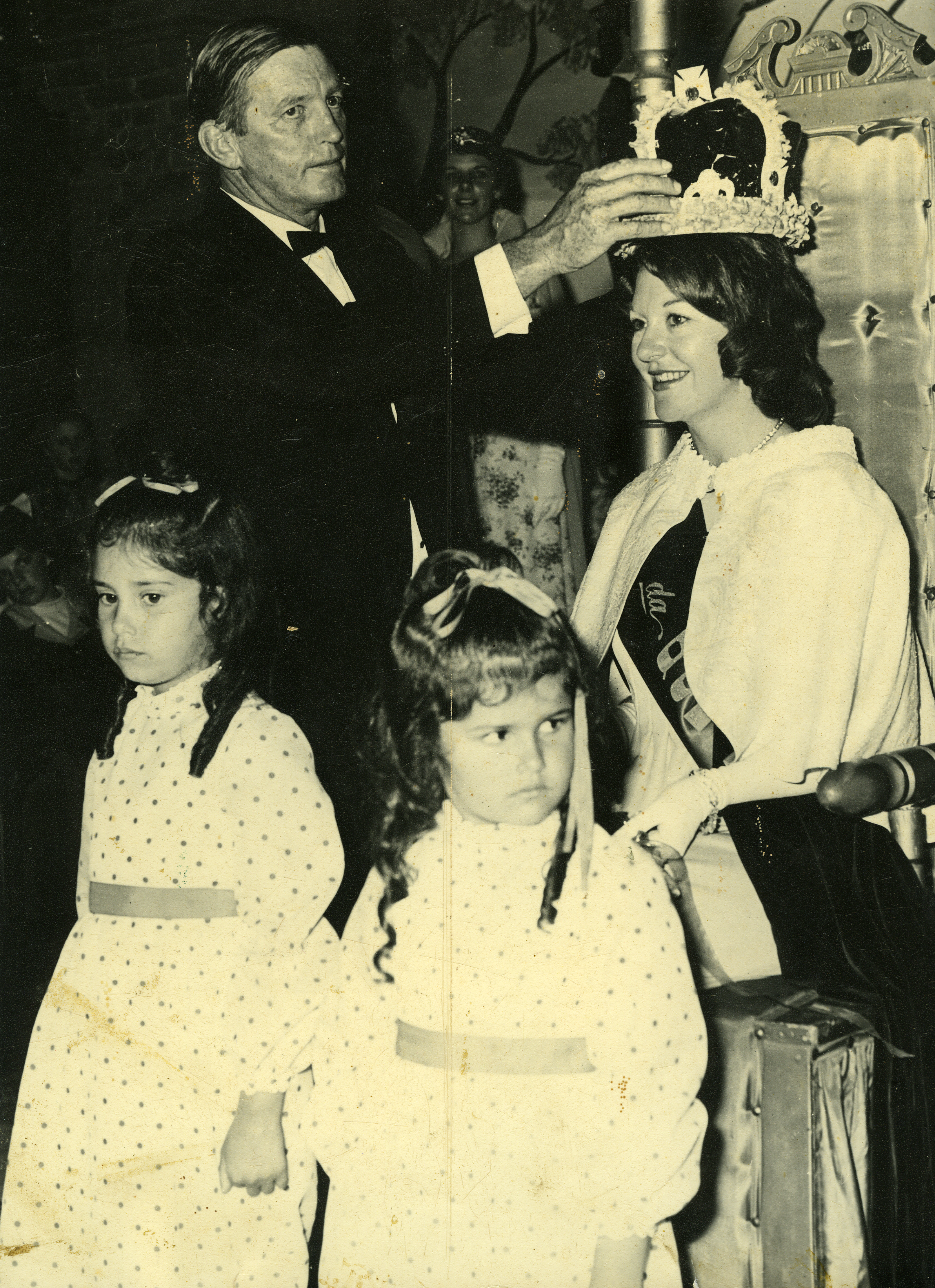
The festival guest of honour will usually crown the jacaranda queen at the Crowning. Over the decades guests have included royalty, governor generals, war heroes, Olympic legends and local heros.
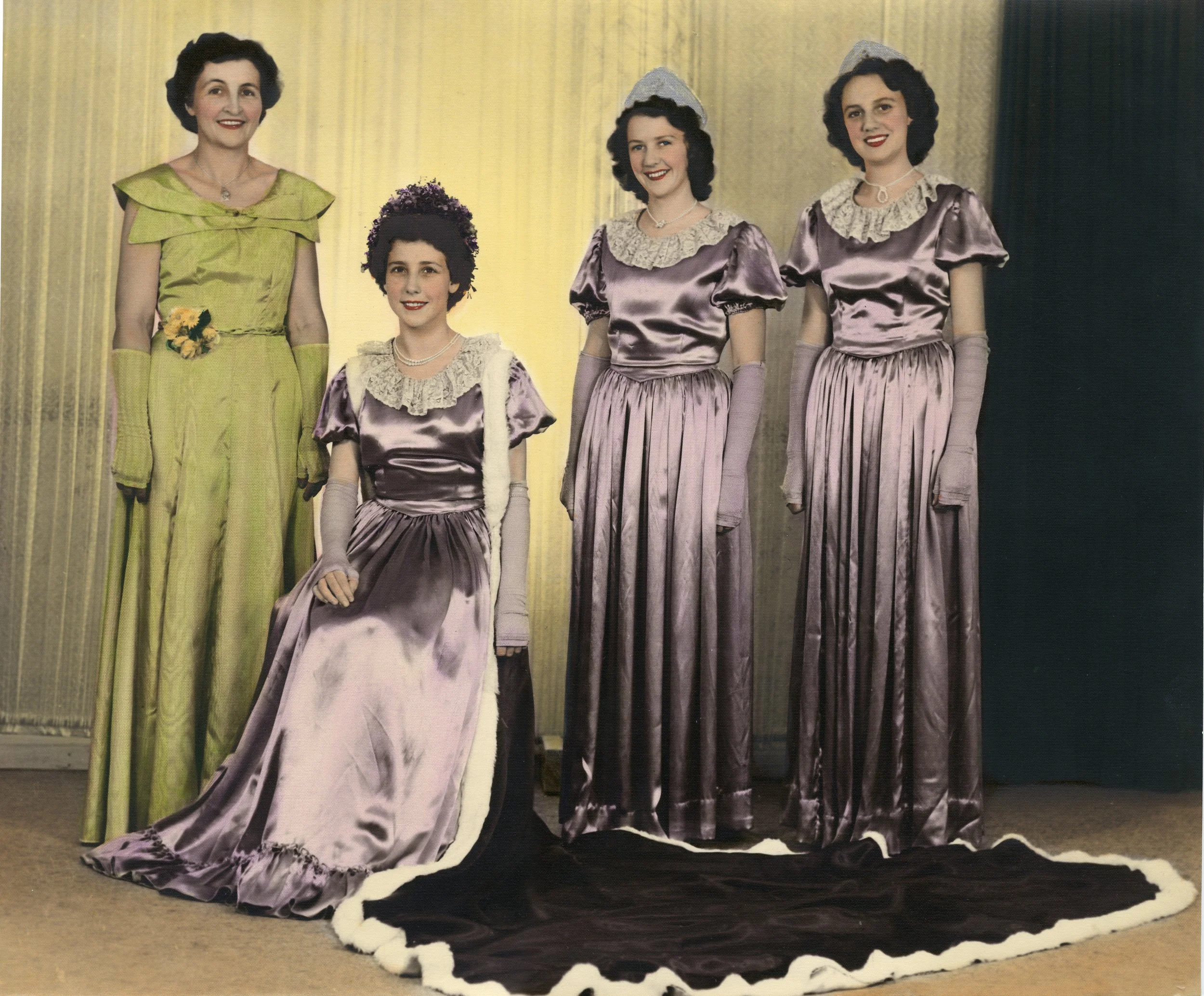
The royal party includes the Queen, King or Ambassador, Princess and a Matron. The role of Matron was introduced in the late 1940’s as it was deemed unsuitable for young ladies to be seen in public arena’s unescorted. Matron’s still play a pivotal role for guidance, maturity and advice to candidates and royal party during the year
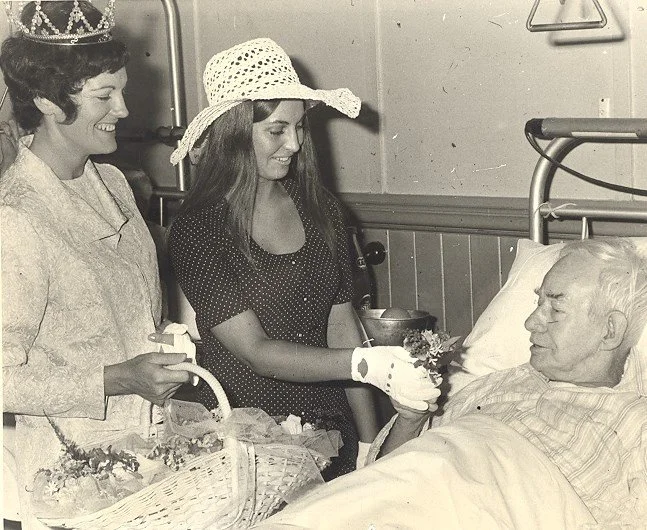
During festival week the royal party continue to have a busy schedule visiting schools, aged care facilities, service clubs, church services and events.
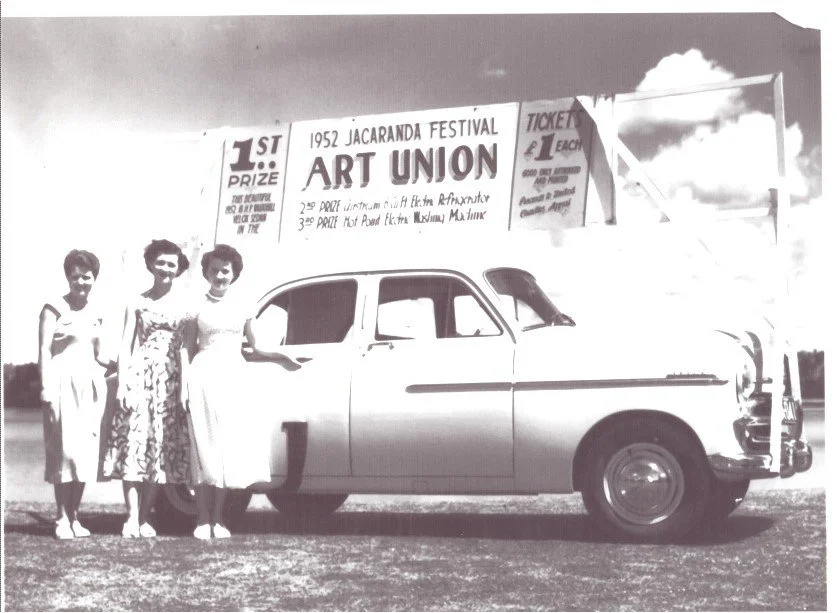
Fundraising and raffles have always played a crucial role for festival finances. As many of the the events are free to the public, fundraising throughout the year still plays a role in delivering a professional and well rounded event.

Jacaranda Thursday. The fashions may have changed but the spirit lives on as crowds still make their way to Market Square for the Business Competitions and the coveted Gold Cup contest

Floral leis, wacky hats, purple attire of all descriptions (and taste)…as long as you’re getting into the spirit and can greet one another with “Happy Jacaranda !” you’re welcome !